
Introduction: YouTube Income Per 1000 Views
YouTube has long been a powerhouse for content creators seeking fame, engagement, and most importantly—income. As we dive into 2025, the question on every aspiring YouTuber’s mind remains: How much can you earn per 1000 views on YouTube? The answer is not as straightforward as you may think. YouTube income depends on multiple factors including niche, geography, audience demographics, monetization methods, and more.
In this comprehensive guide, we’ll break down the YouTube income per 1000 views in 2025, what affects these earnings, and how you can maximize your revenue on the platform.
Table of Contents
Understanding the Basics: What Does “Per 1000 Views” Mean?
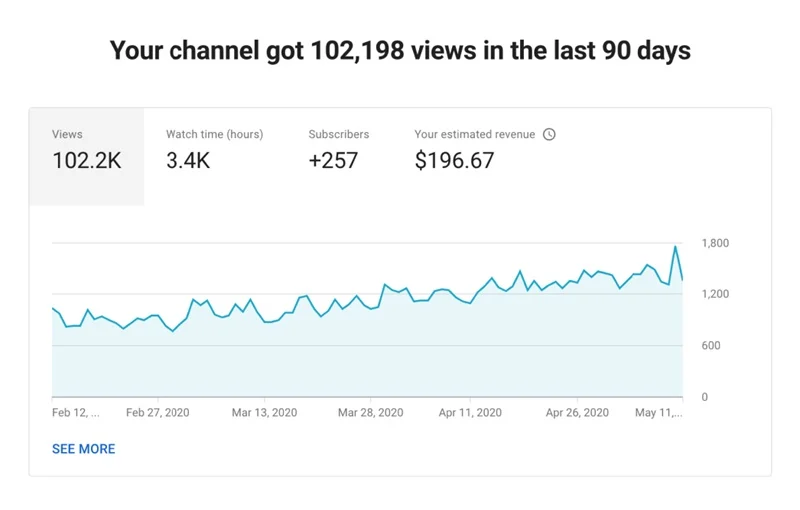
Before diving into numbers, it’s essential to understand what CPM (Cost Per Mille) and RPM (Revenue Per Mille) mean. These two metrics are at the heart of YouTube monetization:
- CPM: This is what advertisers pay YouTube per 1000 ad impressions. It varies wildly depending on the industry, competition, and season.
- RPM: This is what the creator actually earns per 1000 views, after YouTube takes its cut (typically 45%).
So when we talk about YouTube income per 1000 views, we are usually referring to RPM, which is the actual revenue a creator receives.
Average YouTube Income Per 1000 Views in 2025
As of 2025, the average RPM (Revenue Per 1000 Views) on YouTube is estimated to range between $1 to $5, but this can go as high as $20 or more in certain niches.
Here’s a general breakdown:
| Niche/Category | Estimated RPM (2025) |
|---|---|
| Finance & Investing | $12 – $25 |
| Tech & Gadgets | $4 – $10 |
| Education & Tutorials | $5 – $15 |
| Gaming | $1 – $4 |
| Beauty & Fashion | $2 – $6 |
| Vlogs & Lifestyle | $1.5 – $4 |
| Music & Entertainment | $0.5 – $3 |
| Health & Fitness | $3 – $8 |
| Kids Content | $0.5 – $2 |
| Travel & Adventure | $2 – $5 |
Tip: Choosing a high-CPM niche significantly boosts your YouTube income potential.
How YouTube Calculates Your Earnings
Your income per 1000 views is calculated using a combination of the following metrics:
- Advertiser Budget & Bidding
- Viewer Location
- Content Type
- Watch Time
- Audience Demographics
- Engagement (Likes, Comments, Shares)
The higher the advertiser competition in your niche and the more engaged your viewers are, the higher your RPM will be.
Factors Influencing YouTube Income Per 1000 Views
Let’s dive deeper into the core factors affecting your income per 1000 views on YouTube in 2025:
1. Niche & Industry
Advertisers in high-value sectors like finance, legal services, or business are willing to pay more. A video about “How to Invest in Stocks” will have a much higher CPM than a vlog about your weekend.
2. Geographic Location of Viewers
Your RPM will be significantly higher if your audience is based in countries like:
- United States
- Canada
- United Kingdom
- Australia
- Germany
Compare that to audiences from regions like India, Philippines, or Africa, where CPMs are generally lower.
3. Audience Demographics
Viewers aged 25–44 with disposable income are considered more valuable by advertisers than teenagers or older adults with limited spending power.
4. Content Length & Engagement
Videos longer than 8 minutes allow for mid-roll ads, which boost your revenue. More likes, comments, and shares also lead to better algorithm visibility and higher earnings.
5. Seasonality
Certain times of the year, especially Q4 (October to December), attract higher advertising budgets, increasing CPM and RPM.
Other YouTube Monetization Methods
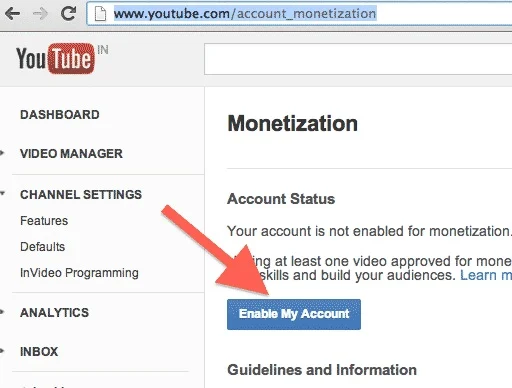
Aside from ad revenue, successful YouTubers also use additional monetization strategies that dramatically boost earnings:
1. Sponsorships
Brands pay YouTubers directly to promote products. Depending on your niche and subscriber count, you can charge anywhere from $100 to $100,000+ per video.
2. Affiliate Marketing
By promoting products and using trackable links, creators earn commissions for every sale. High-earning YouTubers in the tech and finance niches often make thousands per month this way.
3. Channel Memberships & Patreon
Fans can support creators via paid memberships or platforms like Patreon, contributing anywhere from $2 to $50/month per fan.
4. Merchandise Sales
Selling custom t-shirts, mugs, and more is another revenue stream. Platforms like Teespring and Shopify make it easier than ever.
5. YouTube Shorts Fund / YouTube Partner Program Bonuses
YouTube continues to incentivize creators via bonuses for short-form content. The YouTube Shorts revenue sharing model in 2025 allows creators to earn based on ad revenue generated between videos.
Case Studies: Real Examples of YouTube Earnings
Let’s look at how different channels earn in 2025:
🔹 Tech Channel (100K subscribers)
- Average Views Per Video: 50,000
- RPM: $8
- Estimated Earnings: $400/video
If the creator uploads 10 videos/month:
Monthly Income = $4,000 from ad revenue alone.
🔹 Gaming Channel (500K subscribers)
- Average Views Per Video: 100,000
- RPM: $2
- Estimated Earnings: $200/video
Uploads 15 videos/month:
Monthly Income = $3,000
Finance Channel (300K subscribers)
- Average Views Per Video: 70,000
- RPM: $20
- Estimated Earnings: $1,400/video
Uploads 8 videos/month:
Monthly Income = $11,200
How to Maximize Your YouTube Income in 2025
Want to earn more per 1000 views? Here are actionable tips to increase your RPM and overall income:
1. Choose a High-CPM Niche
Consider pivoting toward niches like:
- Personal finance
- Tech reviews
- Online business
- B2B software tutorials
2. Optimize Video SEO
Use keywords in your titles, descriptions, and tags to get discovered. Tools like TubeBuddy and VidIQ can help.
3. Increase Engagement
Encourage likes, comments, and shares. The YouTube algorithm promotes high-engagement videos.
4. Add Mid-Roll Ads
Make videos longer than 8 minutes to allow multiple ad placements.
5. Diversify Your Income
Use a combination of ads, affiliate links, sponsorships, merch, and memberships.
YouTube Income Calculator (Quick Formula)
Want to estimate your earnings?
Use this formula:
javaCopyEditEstimated Income = (Views ÷ 1000) × RPM
Example:
If you get 500,000 views/month with a $4 RPM:
(500,000 ÷ 1000) × 4 = $2,000/month
Is It Too Late to Start a YouTube Channel in 2025?
Absolutely not. With YouTube’s algorithm now supporting smaller creators via AI recommendations and YouTube Shorts, it’s still one of the best platforms for creators to earn online. Niches are expanding, and demand for authentic video content continues to grow.
Common Questions About YouTube Income Per 1000 Views

Is RPM the same as CPM?
No. CPM is what advertisers pay YouTube. RPM is your actual cut after YouTube takes their 45% fee.
Can you make a living with 100K subscribers?
Yes. Many creators with even 30K–50K engaged subscribers earn full-time incomes through diversified monetization methods.
Do YouTube Shorts earn money?
Yes. In 2025, Shorts have integrated ad revenue, with RPMs typically lower than long-form videos but offering high viral potential.
Final Thoughts
In 2025, YouTube income per 1000 views continues to vary depending on content type, viewer location, engagement, and monetization strategies. While average RPMs range from $1 to $5, creators in high-paying niches can see much higher earnings.
To succeed on YouTube today, focus not just on views but on building a community, producing valuable content, and leveraging multiple income streams. Whether you’re starting your journey or scaling your existing channel, YouTube still holds massive potential for creators in 2025 and beyond.