
Introduction: Water Bottle
In today’s fast-paced world, staying hydrated is essential for maintaining health and wellness. Whether you’re commuting to work, heading to the gym, or hiking through the mountains, a water bottle is more than just a container—it’s a lifestyle essential. From plastic to stainless steel, reusable to collapsible, there’s a water bottle for every purpose and personality.
This comprehensive guide explores everything you need to know about water bottles, including their types, materials, benefits, usage, environmental impact, and tips to help you choose the perfect one for your needs.
Table of Contents
Why Water Bottles Matter
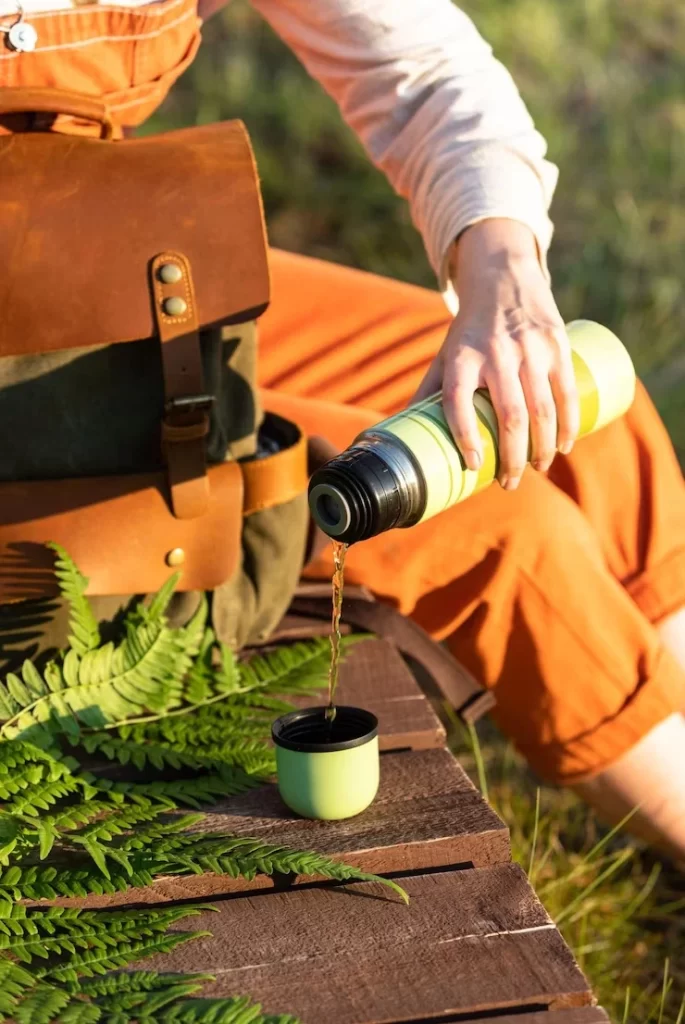
Water bottles have transformed the way we consume water. Instead of relying on single-use plastic bottles or public water fountains, millions around the world now carry personal water bottles. The shift has major implications for:
- Health and hydration
- Environmental sustainability
- Personal convenience
- Cost savings
Drinking enough water throughout the day is critical for energy, skin health, digestion, and mental focus. With a water bottle on hand, you’re more likely to sip consistently, stay refreshed, and reduce your carbon footprint.
Types of Water Bottles
There are several categories of water bottles, each designed for different needs:
1. Reusable Water Bottles
Reusable water bottles are durable and eco-friendly. They are made from materials such as stainless steel, glass, or BPA-free plastic.
- Pros: Cost-effective, eco-friendly, long-lasting
- Best For: Daily use, work, school, gym
2. Plastic Water Bottles
These are lightweight and inexpensive, often found in gyms or sporting events.
- Pros: Lightweight, cheap, widely available
- Cons: Often not BPA-free, can leach chemicals
- Best For: Short-term use or emergencies
3. Stainless Steel Water Bottles
Known for insulation, stainless steel bottles keep drinks cold or hot for hours.
- Pros: Durable, temperature control, stylish
- Cons: Heavier and pricier
- Best For: Travel, office, outdoor activities
4. Glass Water Bottles
Glass bottles are pure, non-toxic, and maintain taste integrity.
- Pros: No chemical leaching, aesthetic design
- Cons: Fragile, heavier
- Best For: Home, office, yoga
5. Collapsible Water Bottles
These are compact and flexible, ideal for space-saving.
- Pros: Foldable, lightweight, portable
- Cons: May wear out quicker
- Best For: Hiking, backpacking, travel
6. Filtered Water Bottles
Integrated filters purify water on the go, removing bacteria and contaminants.
- Pros: Clean water anywhere, great for travel
- Cons: Expensive, requires filter replacement
- Best For: Camping, hiking, international travel
Benefits of Using a Water Bottle
1. Encourages Proper Hydration
Having a water bottle nearby reminds you to drink water regularly. Proper hydration boosts metabolism, improves mood, and supports cognitive functions.
2. Reduces Plastic Waste
Reusable water bottles can replace thousands of single-use plastic bottles over their lifetime, reducing ocean and landfill waste.
3. Saves Money
Buying bottled water daily adds up. A durable water bottle offers long-term savings.
4. Convenience On-the-Go
Whether you’re traveling, exercising, or commuting, water bottles make hydration easy and accessible.
5. Eco-Friendly Lifestyle
By reducing reliance on disposable plastics, you contribute to sustainability and environmental conservation.
What Material is Best for a Water Bottle?
Choosing the right material is essential for safety, durability, and taste:
| Material | Pros | Cons |
|---|---|---|
| Stainless Steel | Insulated, durable, non-toxic | Heavier, more expensive |
| Glass | Pure, chemical-free, taste neutral | Fragile, heavier |
| BPA-Free Plastic | Lightweight, affordable | May degrade over time, less durable |
| Silicone | Flexible, collapsible, lightweight | Not ideal for hot liquids |
| Aluminum | Lightweight, recyclable | May have lining that can wear off |
Top Brands in the Water Bottle Market
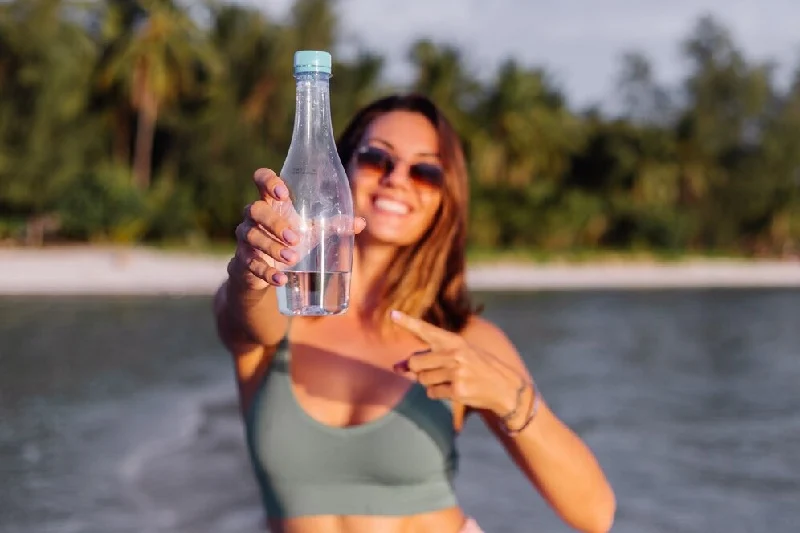
Here are some top-rated and reliable water bottle brands known for quality and performance:
- Hydro Flask – Famous for excellent insulation and sleek design
- Nalgene – Affordable, BPA-free plastic, ideal for outdoor use
- S’well – Stylish, stainless steel, great insulation
- CamelBak – Hydration innovation, bite valve technology
- Contigo – Spill-proof, user-friendly lids
- LARQ – Self-cleaning UV light water bottles
- Klean Kanteen – Sustainable, toxin-free materials
Water Bottle Sizes and Capacities
Water bottles come in various sizes, depending on activity and duration:
| Size | Ideal For |
|---|---|
| 12 oz – 16 oz | Kids, short outings |
| 20 oz – 24 oz | Gym, short commutes |
| 32 oz – 40 oz | Workdays, long hikes |
| 64 oz and above | Day-long hydration, limited access to refills |
Consider the ease of carrying versus the need for hydration when choosing the size.
How to Clean a Water Bottle Properly
Keeping your water bottle clean is essential to avoid bacterial buildup:
- Daily Rinse: Rinse with warm water after each use.
- Weekly Clean: Wash with soap and a bottle brush or use a dishwasher (if dishwasher-safe).
- Deep Clean: Soak with vinegar and baking soda or use specialized bottle cleaning tablets monthly.
Avoid leaving water in a sealed bottle for long periods, especially in heat, as it encourages mold growth.
Smart Water Bottles: The Future of Hydration
With tech advancements, smart water bottles are gaining popularity. These bottles can:
- Track water intake
- Sync with fitness apps
- Remind you to drink
- Display temperature
Popular smart water bottle brands include HidrateSpark, Thermos Smart Lid, and ICEWATER.
Environmental Impact of Water Bottles
1. Plastic Pollution
Over 1 million plastic bottles are purchased every minute worldwide. Most are not recycled, contributing to ocean pollution and microplastics in food chains.
2. Carbon Footprint
Producing and transporting bottled water generates a significant carbon footprint. Reusable bottles drastically reduce environmental damage.
3. Recyclability
- Glass and stainless steel are 100% recyclable.
- Plastic must be sorted correctly, and only certain types are recycled.
Switching to a reusable water bottle significantly reduces your personal carbon footprint.
Tips for Choosing the Perfect Water Bottle
When buying a water bottle, consider the following:
- Purpose: Office, gym, hiking, travel?
- Material: Stainless steel for durability, glass for purity, plastic for lightness.
- Insulation: Do you want to keep drinks hot/cold?
- Mouth Opening: Wide mouth for ice and cleaning; narrow for sipping.
- Ease of Cleaning: Dishwasher-safe or manual cleaning?
- Leak-Proof Design: Crucial for bags and travel.
- Grip and Carry Options: Handle, loop, or strap for portability.
- Budget: Good options exist from $10 to $50+.
Creative Uses for Water Bottles
Apart from drinking, water bottles can be used for:
- Infusing Water: Add fruits, herbs, or cucumbers.
- Carrying Smoothies or Protein Shakes
- Camping Gear: Store dry snacks or small survival items.
- Weights for Exercise: Filled bottles can substitute light dumbbells.
- Emergency Kit: Store clean water or essentials.
Fun Facts About Water Bottles

- The average reusable water bottle can save 167 plastic bottles per year.
- Stainless steel bottles can keep water cold for up to 24 hours.
- The first plastic water bottle was developed in the 1940s.
- The world’s most expensive water bottle is priced at $60,000, made from gold and diamonds.
Conclusion: Why Everyone Needs a Water Bottle
From school students to athletes, office workers to adventurers, a water bottle is a universally useful companion. It represents a commitment to health, sustainability, and convenience. With so many types and styles available, there’s a perfect water bottle out there for everyone.
Investing in a good water bottle not only benefits your health but also the environment. Make hydration stylish, simple, and sustainable—carry your water wherever you go.