
Introduction: influencers wild gone
In today’s fast-paced digital world, social media influencers have become powerful figures who shape trends, sell products, and influence culture. However, not all attention is good attention. A growing trend has emerged: “Influencers Wild Gone” — where popular internet personalities go off the rails, sparking controversy, legal trouble, or moral outrage.
Table of Contents
What Does ‘Influencers Wild Gone’ Mean?
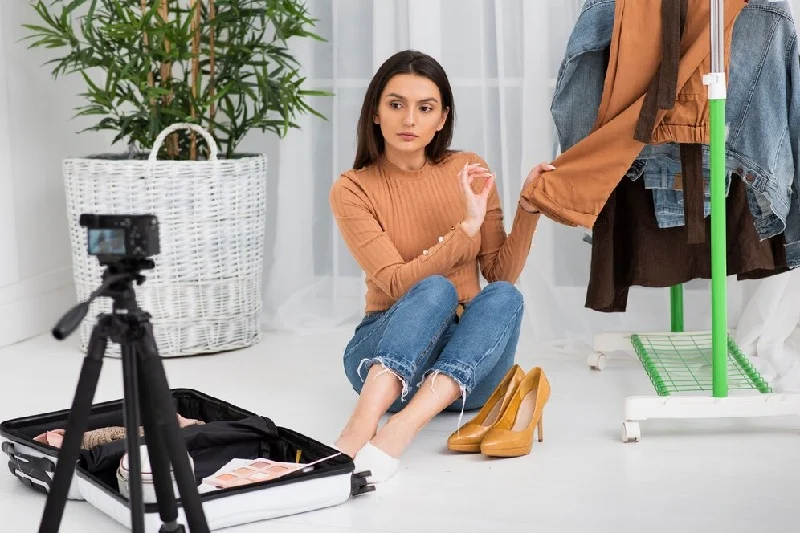
The phrase “Influencers Wild Gone” refers to the behavior of social media influencers who lose control, make poor choices, or act recklessly — often in public or online — leading to backlash, scandal, or even criminal consequences. These incidents range from:
- Public meltdowns
- Offensive content
- Fraudulent promotions
- Violations of laws
- Dangerous stunts or challenges
- Ethical failures
The Rise of Influencer Culture
Before diving into the scandals, it’s essential to understand how influencer culture emerged.
In the 2010s, platforms like Instagram, YouTube, and later TikTok gave everyday users the power to reach millions. Influencers became:
- Celebrities without studios
- Marketers without agencies
- Leaders without elections
They earned millions in brand deals, sponsorships, and merchandise, and their followers idolized them. But with power comes temptation.
When Influencers Go Too Far: Famous Examples
Let’s explore the most notorious incidents where influencers went “wild.”
1. Logan Paul – Suicide Forest Controversy
One of the most talked-about cases was Logan Paul’s 2017 Japan vlog, where he filmed a body in Aokigahara (suicide forest). The YouTuber faced:
- Global outrage
- Demonetization by YouTube
- Brand dropouts
He later apologized and took a temporary break. Although he rebuilt his brand, the incident became a blueprint for influencer failure.
2. Gabbie Hanna – Mental Health Meltdown on TikTok
In 2022, influencer Gabbie Hanna posted hundreds of chaotic TikToks in a single day, prompting concern for her mental health. The content ranged from delusional rants to paranoia, leading viewers to call the police.
The episode sparked debate about:
- Mental health support for creators
- Public voyeurism
- Platform responsibility
3. Andrew Tate – Arrest and Online Ban
Andrew Tate, a controversial figure known for misogynistic views, was banned from Instagram, Facebook, TikTok, and other platforms. He was later arrested in Romania on human trafficking and rape charges.
This case highlighted:
- The danger of toxic masculinity online
- The role of platforms in amplifying harmful messages
- The international reach of influencer influence
4. Jake Paul – YouTuber Turned Lawbreaker
Jake Paul, Logan’s younger brother, has been involved in:
- Illegal gatherings during COVID-19 lockdowns
- Looting investigations
- Boxing scandals
He thrives on controversy, but his reckless behavior has earned both money and hate.
5. Belle Delphine – Selling “Bath Water” & More
Known for her edgy content, Belle Delphine sold her used bath water to fans. Though legal, many called it disturbing and exploitative.
She blurred the line between influencer, performance artist, and adult entertainer, igniting debates about:
- Sexualization in influencer culture
- Marketing manipulation
- Fandom obsession
Common Patterns in ‘Wild’ Influencer Behavior
These incidents may seem random, but they share some key elements:
| Behavior | Description |
|---|---|
| Shock Value | Doing outrageous things for views/likes |
| Entitlement | Believing fame excuses bad behavior |
| Isolation | Losing touch with real-world consequences |
| Addiction to Attention | Needing constant engagement, even if negative |
| Monetary Pressure | Risky stunts to maintain income and relevance |
TikTok & Instagram: Fueling the Fire
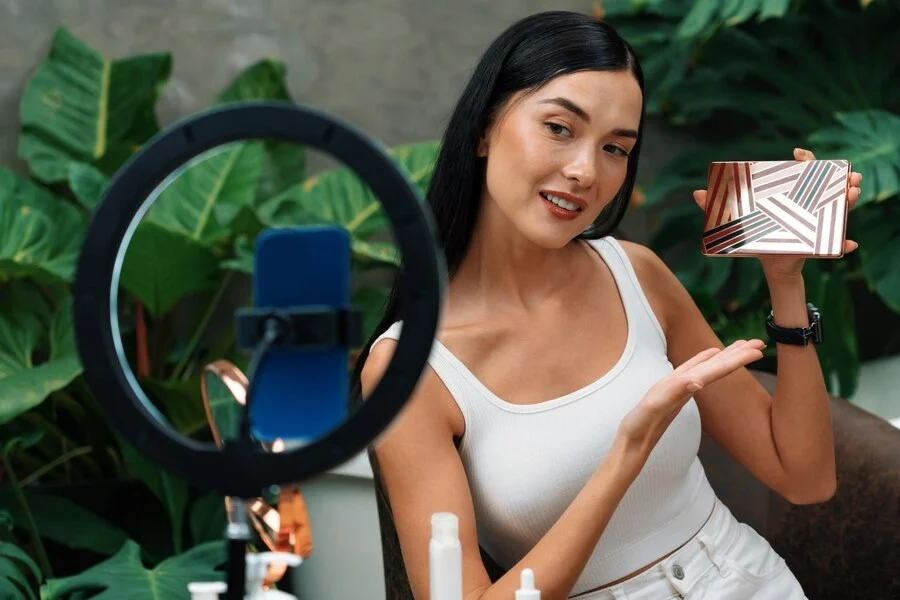
Short-form content platforms have escalated this trend. TikTok, for instance, rewards:
- Fast trends
- Extreme reactions
- Viral controversy
This incentivizes wild behavior, as calm, respectful influencers often get less reach. Instagram Reels and YouTube Shorts follow the same algorithmic patterns.
Legal and Ethical Issues
Many influencers who went “wild” faced legal consequences:
- Misinformation and false advertising
- Endangering public safety
- Cyberbullying and hate speech
- Tax fraud and FTC violations
Notable legal issues:
- FTC guidelines now require influencers to disclose sponsorships
- Twitch and YouTube bans for violent/offensive content
- Copyright violations on TikTok & Instagram
Mental Health and the Fame Trap
The pressures of influencer life contribute to instability:
- Burnout from content creation
- Fear of irrelevance
- Cyberbullying
- Addiction to online validation
Many creators admit to feeling:
- Lonely
- Overwhelmed
- Trapped by their brand
This often leads to breakdowns, erratic behavior, or worse — sometimes becoming public entertainment for millions.
Global Impact: Influencers Across Cultures
The “wild gone” phenomenon isn’t limited to the U.S.
- India: YouTubers caught faking charity for views
- Brazil: Influencers selling fake COVID-19 cures
- Russia: TikTokers arrested for anti-government content
- UAE: Influencers jailed for “public indecency”
Each culture responds differently, but the common thread remains: fame can intoxicate.
Statistics on Influencer Scandals
| Stat | Insight |
|---|---|
| 72% of Gen Z | Say they trust influencers more than celebrities |
| 1 in 5 influencers | Have faced a scandal in the last 3 years |
| 48% of consumers | Stopped following an influencer after controversy |
| 3X higher engagement | Found on controversial influencer posts |
| 65% of brands | Avoid working with influencers who “go wild” |
When Influencers Use Controversy as Strategy
Believe it or not, some influencers intentionally create drama to gain:
- Clout
- Virality
- Media coverage
This is called “outrage marketing” and has been used by:
- Trisha Paytas
- Danielle Cohn
- Tana Mongeau
But it’s risky. Many lose credibility or end up “canceled.”
Cancel Culture vs. Redemption Arcs
The internet is quick to “cancel” influencers, but public forgiveness is possible when:
- The apology is genuine
- Change is visible
- The offense wasn’t unforgivable
Examples of redemption:
- Logan Paul’s switch to boxing and podcasts
- James Charles returning after scandals
- PewDiePie apologizing and maturing his content
What Can We Learn?
For Influencers:
- Stay grounded and self-aware
- Prioritize mental health
- Avoid using controversy as a growth hack
For Followers:
- Don’t idolize blindly
- Understand curated vs. real life
- Hold creators accountable, not hostage
For Brands:
- Vet influencer behavior before partnerships
- Prioritize long-term integrity over short-term hype
Tips to Avoid Going ‘Wild’ as an Influencer
- Have a support team – mental health coaches, friends, or advisors
- Plan content ahead – avoid spontaneous disasters
- Take digital breaks – protect your peace
- Fact-check content – avoid legal issues
- Engage with empathy – understand your audience
The Future of Influencer Culture
With increased regulation, awareness, and demand for authenticity, the “wild gone” era may evolve. Future influencers may:
- Be trained in digital responsibility
- Use platforms for positive activism
- Focus on mental health and realism
Gen Z and Gen Alpha are already shifting toward more mindful creators, hinting at a cultural reset.
FAQ: What Is the Meaning of ‘Influencers Wild Gone’?
Q: What does ‘Influencers Wild Gone’ mean?
A: It refers to online influencers who engage in reckless, unethical, or controversial behavior, often leading to public backlash, legal trouble, or cancelation.
Persuasive CTAs (Call to Actions)
- “Know an influencer on the edge? Share this article with them!”
- “Stay informed — follow us for more insights into internet culture.”
- “Be a mindful follower — question the content, not just consume it.”
- “Are you an aspiring influencer? Learn from these mistakes before you go viral for the wrong reasons.”
- 💬 “Join the conversation — has an influencer ever let you down? Comment below.”
Conclusion
“Influencers Wild Gone” is more than just a clickbait headline — it’s a reflection of how digital fame can spiral. While social media gives voice to the voiceless, it also gives megaphones to the reckless. As followers, brands, and creators, we must balance power with responsibility.