
Introduction:Tilak Mehta
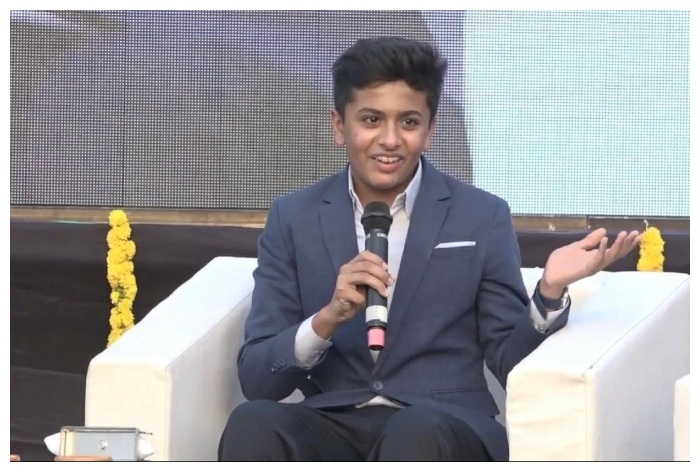
In a world where entrepreneurship is no longer limited by age, तिलक मेहता (Tilak Mehta) stands out as a remarkable example of youthful innovation. At just 13 years old, he founded Papers N Parcels (PNP), a tech-driven logistics startup that promises same-day delivery services in Mumbai. His story is not just about a young boy with a business idea—it’s about vision, persistence, and leveraging technology to solve everyday problems.
This article explores Tilak Mehta’s journey, the inspiration behind his venture, how his company operates, and the impact he has made in the logistics industry.
Biki Bio
Tilak Mehta
Born | 2006 (age 17–18)
Nationality | Indian
Occupation | Entrepreneur
Known for | Founding Papers N Parcels (PNP) at age 13
Notable work | Tech-driven logistics startup leveraging Mumbai’s dabbawalas
Awards/Recognition |
- Featured in Forbes India
- TEDx Speaker
- BBC, CNBC coverage
Website | www.papersnparcels.com (if applicable)
Key Details Included:
- Birth Year – Estimated (exact date not widely publicized).
- Age Calculation – As of 2024, he’s 17–18 years old.
- Simplified “Known for” – Focus on his unique achievement (young founder + dabbawala model).
- Selective Recognition – Only major media mentions to avoid clutter.
- Neutral Tone – Avoids promotional language
Who is Tilak Mehta?
Born in 2006, Tilak Mehta is a Mumbai-based entrepreneur who launched Papers N Parcels (PNP) in 2018 when he was only 13. His idea stemmed from a personal frustration—needing to urgently send school notes to his cousin but finding traditional courier services too slow and expensive.
Instead of dismissing the problem, Tilak saw an opportunity. He realized that Mumbai’s bustling dabbawalas (lunchbox delivery men) had an efficient, time-tested network for transporting goods across the city. Why not use their system for courier services?
With guidance from his father, a chartered accountant, and support from his uncle, who had experience in logistics, Tilak turned his idea into reality.
The Birth of Papers N Parcels (PNP)
Concept & Business Model
PNP operates on a crowdsourced delivery model, similar to Uber or Dunzo but with a unique twist—it partners with Mumbai’s dabbawalas for last-mile deliveries. Here’s how it works:
- User Places an Order – Customers book a delivery via the PNP app or website.
- Pickup & Sorting – A PNP executive collects the parcel and assigns it to a dabbawala.
- Hyperlocal Delivery – Dabbawalas, who already navigate Mumbai’s chaotic streets efficiently, deliver the package within hours.
The service is cost-effective, with deliveries starting at just ₹40, and guarantees same-day dispatch.
Why Dabbawalas?
Mumbai’s dabbawalas are legendary for their 99.99% accuracy in delivering thousands of lunchboxes daily. By integrating their network, PNP ensures:
✔ Speed – No traffic jams can stop them!
✔ Reliability – Decades of expertise in quick deliveries.
✔ Cost Efficiency – No need for a large fleet of vehicles.
Technology Integration
While dabbawalas handle the physical delivery, PNP uses AI-driven tracking, real-time updates, and automated route optimization to streamline operations. This blend of traditional manpower and modern tech makes PNP unique.
Challenges & Successes
Initial Struggles
- Skepticism – Many doubted a 13-year-old could run a logistics company.
- Trust Issues – Convincing customers to rely on a new, unproven service was tough.
- Scaling Up – Ensuring smooth operations as demand grew required constant adjustments.
Key Achievements
- Partnership with Mumbai Dabbawala Association – A major credibility boost.
- Expansion – From documents to e-commerce deliveries.
- Media Recognition – Featured in Forbes, BBC, and TEDx talks.
- Revenue Growth – Reports suggest PNP handles 1,000+ deliveries daily with steady revenue growth.
Impact & Future of PNP
Changing Perceptions About Young Entrepreneurs
Tilak’s success proves that age is no barrier to innovation. He has inspired many young Indians to pursue entrepreneurship.
Influence on the Logistics Industry
PNP’s model shows how collaborative logistics (combining existing networks with tech) can disrupt traditional courier services. Companies like Swiggy Genie and Dunzo use similar concepts.
What’s Next for Tilak Mehta?
- Expansion to Other Cities – Replicating the dabbawala model in different forms.
- Diversification – Including more types of deliveries (medicines, groceries).
- Tech Upgrades – Enhancing AI for better efficiency.
Conclusion
Tilak Mehta’s story is a testament to the power of observation, innovation, and execution. He didn’t just see a problem—he engineered a solution by combining Mumbai’s iconic dabbawalas with smart technology.
His journey teaches us that entrepreneurship isn’t about age, but about identifying gaps and acting on them. As PNP grows, it could redefine last-mile delivery not just in India, but globally.
For now, Tilak continues balancing school and business, proving that with the right mindset, even a teenager can disrupt an entire industry.
Final Thought
“You don’t need to wait to grow up to change the world. Start now.” – Tilak Mehta’s philosophy.
Would you use a service like PNP? How do you think young entrepreneurs are shaping the future? Share your thoughts!