
Introduction: Bathroom Exhaust Fan
Bathrooms are one of the most moisture-prone areas in a home, making ventilation a top priority. Without proper airflow, steam from showers and hot baths can lead to mold growth, paint peeling, and persistent odors. That’s where a bathroom exhaust fan becomes an essential component of a healthy and functional bathroom. In this comprehensive guide, we’ll explore everything you need to know about bathroom exhaust fans—from how they work to how to choose, install, and maintain the right one for your space.
Table of Contents
1. What is a Bathroom Exhaust Fan?
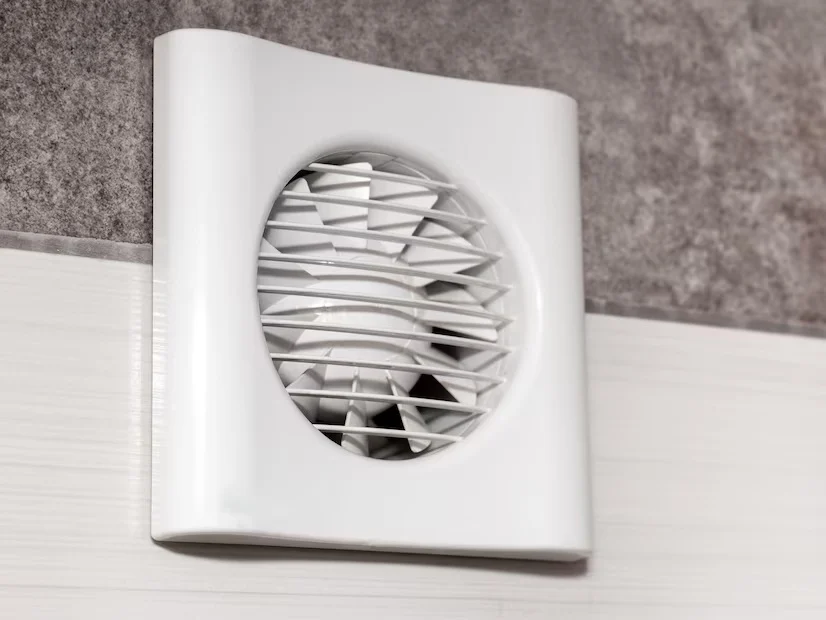
A bathroom exhaust fan is a mechanical ventilation device installed in the ceiling or wall of a bathroom to remove excess moisture, humidity, and odors. It works by drawing moist air from the bathroom and expelling it outside, ensuring fresh air circulation.
How It Works:
- Uses an electric fan connected to a vent.
- Draws air from the bathroom and releases it outside.
- Some fans include features like lights, heaters, or humidity sensors.
2. Why You Need a Bathroom Exhaust Fan
Installing a bathroom exhaust fan is not just a convenience—it’s a necessity. Here are key reasons why:
Prevents Mold and Mildew
Moist environments are breeding grounds for mold and mildew, which can damage walls, ceilings, and tiles while posing health risks.
Eliminates Odors
Unpleasant smells are quickly removed, keeping your bathroom fresh and comfortable.
Protects Paint and Fixtures
High humidity can cause paint to bubble and metal fixtures to rust. An exhaust fan prevents these issues by controlling moisture levels.
Improves Indoor Air Quality
By venting out stale air, exhaust fans help maintain overall air quality in your home.
3. Types of Bathroom Exhaust Fans
Choosing the right type depends on your bathroom size, layout, and ventilation needs.
a. Ceiling-Mounted Exhaust Fans
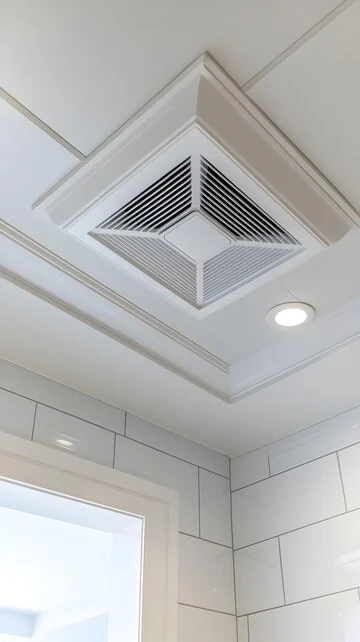
Installed on the ceiling, these fans expel air through a duct system connected to the roof or exterior wall.
b. Wall-Mounted Exhaust Fans
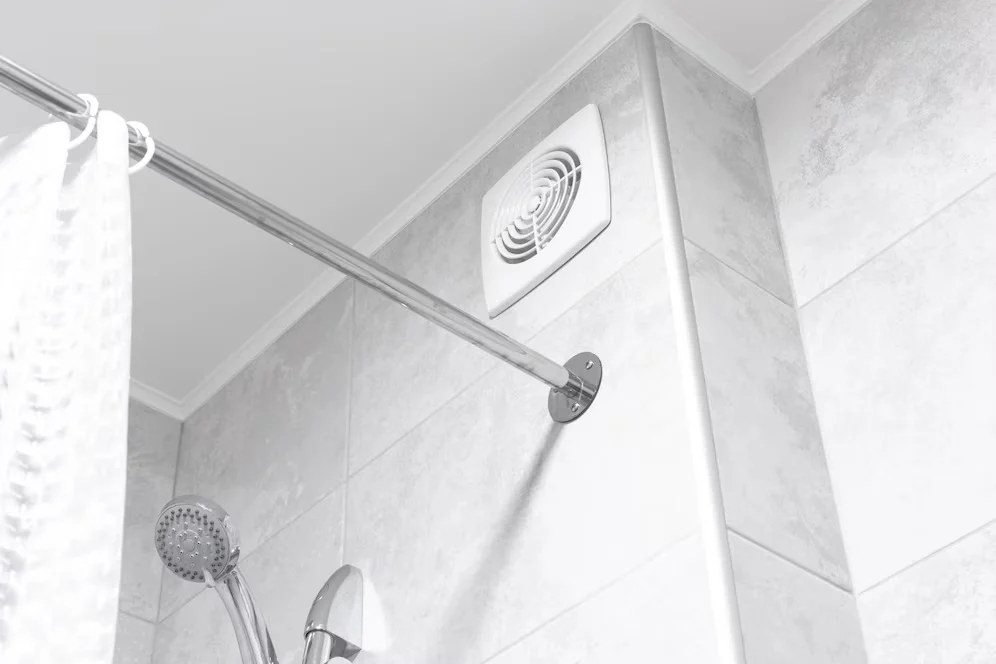
Ideal for bathrooms without attic access. Mounted directly on exterior walls.
c. Inline or Remote Fans
Installed in a remote location (like the attic) and connected to the bathroom with ducting. They are quieter and can serve multiple bathrooms.
d. Exhaust Fan with Light
Combines ventilation and lighting in one unit, saving space and enhancing functionality.
e. Exhaust Fan with Heater
Adds warmth during cold weather while ventilating the room.
4. Key Features to Consider Before Buying
When selecting a bathroom exhaust fan, consider these important factors:
a. CFM Rating (Cubic Feet per Minute)
- Indicates how much air the fan moves.
- Standard Rule: 1 CFM per square foot of bathroom space.
- Example: For a 70 sq. ft. bathroom, choose a fan with at least 70 CFM.
b. Noise Level (Sones)
- Measured in sones (lower is quieter).
- 0.5 to 1.5 sones = very quiet
- 2 to 4 sones = moderate
- 4+ sones = loud
c. Energy Efficiency
- Look for ENERGY STAR® rated models to save on electricity bills.
d. Built-in Features
- Humidity sensors
- Motion sensors
- Timer functions
- Integrated LED lighting
e. Design and Size
- Ensure the fan fits the ceiling or wall dimensions.
- Consider a sleek, low-profile design for modern bathrooms.
5. How to Choose the Right Bathroom Exhaust Fan
Step-by-Step Buying Guide:
- Measure Your Bathroom Size
- Multiply the length × width to get the square footage.
- Match with appropriate CFM rating.
- Identify Installation Location
- Ceiling or wall?
- Any access to attic or ducting?
- Check for Additional Features
- Need a fan with light or heater?
- Set a Budget
- Prices range from $50 to $300+ depending on features.
- Read Reviews and Ratings
- Ensure good customer feedback and warranty coverage.
6. Bathroom Exhaust Fan Installation Guide
Tools Needed:
- Screwdriver
- Drill
- Duct tape
- Wire stripper
- Mounting brackets
- Exhaust duct
Steps:
- Turn Off Power
- Always start by turning off the power from the breaker panel.
- Remove Old Fan (if replacing)
- Disconnect wiring and unscrew from the ceiling or wall.
- Cut the Opening
- Measure and cut an opening in the drywall for the new unit.
- Install the Fan Housing
- Use mounting brackets or screws to secure it.
- Connect the Duct
- Attach the duct to the fan outlet and seal with duct tape.
- Wire the Fan
- Connect wires according to the fan’s wiring diagram (usually black for power, white for neutral, green/bare for ground).
- Secure and Test
- Secure the grill and turn power back on. Test fan functionality.
Note: If unsure, it’s best to hire a licensed electrician or HVAC technician.
7. Maintenance Tips for Long-Term Performance
To keep your bathroom exhaust fan functioning efficiently:
- Clean the fan grill every 2–3 months to remove dust and lint.
- Vacuum the motor and blades gently once or twice a year.
- Check for noise or reduced airflow, which may indicate a clog or motor issue.
- Inspect ducting annually to ensure no obstructions or disconnections.
8. Common Problems and Troubleshooting
| Problem | Possible Cause | Solution |
|---|---|---|
| Fan is noisy | Dust buildup, loose parts | Clean and tighten components |
| Fan not turning on | Wiring issues, motor failure | Check connections or replace motor |
| Low airflow | Clogged duct, undersized fan | Clean ducts, upgrade CFM |
| Fan runs constantly | Stuck switch, humidity sensor error | Check switch or replace sensor |
9. Top Brands and Product Recommendations
Here are some popular and trusted brands offering high-quality bathroom exhaust fans:
a. Panasonic
- Whisper-quiet models
- ENERGY STAR rated
- Popular: Panasonic WhisperCeiling FV-0511VQ1
b. Broan-NuTone
- Budget-friendly options
- Includes fans with lights and heaters
- Popular: Broan-NuTone 688 Ceiling Fan
c. Delta Breez
- Modern design with high energy efficiency
- Built-in LED lighting
- Popular: Delta BreezGreenBuilder GBR80
d. Air King
- Commercial-grade durability
- Good for large bathrooms
- Popular: Air King BFQ 90
e. Hunter
- Stylish designs for decorative appeal
- Popular: Hunter 83002 Ventilation Fan with Light
10. Conclusion
A bathroom exhaust fan is a small but vital addition to any bathroom, playing a key role in maintaining air quality, preventing mold, and protecting your home. With the right fan, you’ll enjoy a fresher, cleaner, and healthier space. When choosing one, always consider size, airflow, noise level, and additional features that suit your lifestyle.
Whether you’re upgrading your old fan or installing a new one, this guide gives you everything you need to make an informed decision. Keep your fan clean, check for performance issues regularly, and you’ll extend its lifespan for years of trouble-free ventilation.