
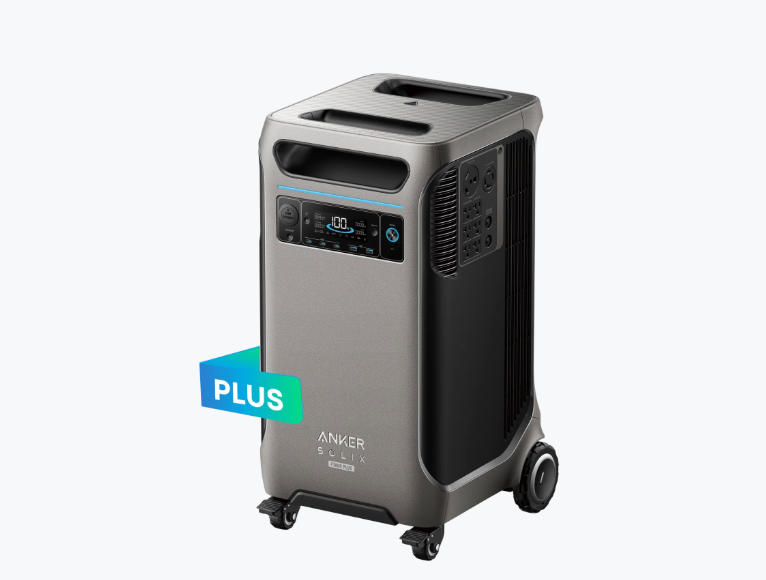
Power stations have evolved from simple backup tools into multi-purpose energy hubs capable of supporting homes, vehicles, appliances, and outdoor activities. A major factor driving this versatility is the variety of output ports built into these systems. Each port type serves a specific function, and the combination determines how well a power station adapts to different environments. Whether users want to keep essential devices running during an outage or support energy-intensive equipment, port diversity directly influences performance and convenience. The Anker SOLIX F3800 Plus Portable Power Station illustrates how broad output options, dual-voltage capability, and EV/RV-ready interfaces expand practical use cases. Understanding how these ports work helps users choose the right configuration for daily and emergency needs.
Table of Contents
How Does Port Variety Shape Everyday and Backup Applications?
AC Outputs Keep High-Demand Appliances Running Reliably
Households rely on AC output ports to power devices like refrigerators, washers, and air conditioners. When a power station provides 6,000W AC output per unit along with 120V and 240V support, it accommodates both standard appliances and larger systems such as central AC. This dual-voltage capability avoids the need for separate equipment and allows the station to fit different household circuits. During outages, users can operate several essential appliances at once without reorganizing their routines. The stable, inverter-based AC supply also protects motors and compressors from harmful power fluctuations, making the system a dependable everyday backup source.
DC and USB Ports Support Personal Electronics Efficiently
Low-voltage ports enhance convenience by powering small electronics with minimal energy loss. USB outputs keep phones, tablets, and headlamps charged, while DC ports run items like portable coolers, security cameras, or communication equipment. These ports help users conserve AC power by routing small loads to the most efficient output pathway. For remote workers, students, or anyone who depends on digital tools, this separation of load types increases runtime and maintains order during power shortages. When paired with app-based energy monitoring, users can also schedule or control lower-demand devices for optimized consumption.
EV/RV Ports Enable Direct Vehicle and Travel Support
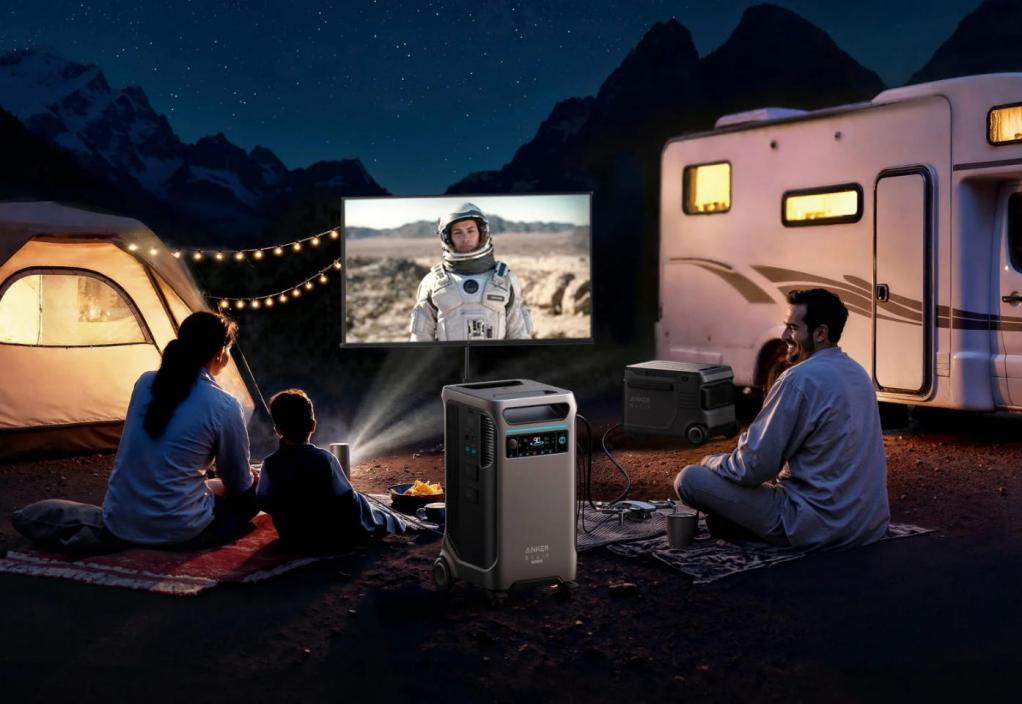
NEMA TT-30P and L14-30 ports expand a power station’s reach into transportation and outdoor scenarios. RV users rely on these interfaces for onboard appliances, heating systems, and lighting while camping or traveling. EV charging access further broadens functionality by allowing drivers to top up vehicle batteries in emergencies or off-grid settings. This reduces dependence on charging stations and gasoline generators. With scalable storage up to 53.8kWh, the F3800 Plus can support extended road trips, home-to-vehicle charging transitions, and RV life without complicated electrical modifications. These ports transform the station from a household backup tool into a full mobility solution.
Why Does Port Diversity Improve Real-World Flexibility?
Specialized Interfaces Reduce Overload Risks
Different devices draw power in different ways. When a station offers dedicated ports for specific voltage and current needs, each load receives the correct type of power without strain on the system. High-demand appliances use AC ports, while steady, low-demand devices fit DC or USB. This reduces unnecessary conversion energy loss and lowers the chance of tripping circuits. Advanced systems also regulate how each port group behaves under heavy load, maintaining stability even when multiple devices operate simultaneously. Users gain confidence that the station can handle varied equipment safely and efficiently.
Dual-Voltage Options Expand Compatibility Across Homes
Many households include a mix of 120V appliances and 240V systems such as electric dryers, well pumps, or HVAC units. A power station that supports both voltages eliminates the need for additional hardware. This dual-voltage flexibility also helps users during blackouts by allowing them to choose which circuits receive priority based on immediate needs. The F3800 Plus integrates these capabilities with its built-in NEMA L14-30 port, simplifying connection to home power panels and enabling automatic backup behavior when paired with compatible systems. Users get a seamless transition from grid to stored power without manual intervention.
Multi-Port Configurations Support Scalable Energy Planning
Households grow, and so do their energy needs. A power station with a broad port variety can adapt as users add new appliances, upgrade travel equipment, or incorporate renewable inputs. This adaptability increases long-term value and ensures the station remains useful across different life stages. Whether powering essential devices during storms or supplying off-grid energy for multi-day activities, a flexible port system provides consistent reliability. When combined with solar input up to 3,200W and gas generator compatibility, users can keep all ports active with steady replenishment. This makes the station practical not just for emergencies but as a long-term energy partner.
Conclusion
Output port variety determines how effectively a power station integrates into daily life, travel plans, and emergency preparation. AC outputs support high-demand appliances, while DC and USB ports help users conserve energy for personal electronics. Vehicle-ready interfaces further extend the system’s reach into EVs and RVs. With dual-voltage capabilities, scalable storage, and smart monitoring, the Anker SOLIX F3800 Plus Portable Power Station demonstrates how thoughtful port design enhances usability and efficiency. The wide selection of interfaces ensures the power station station can adapt to diverse energy ecosystems, provide stable output to essential devices, and deliver dependable support across household and mobility scenarios.