
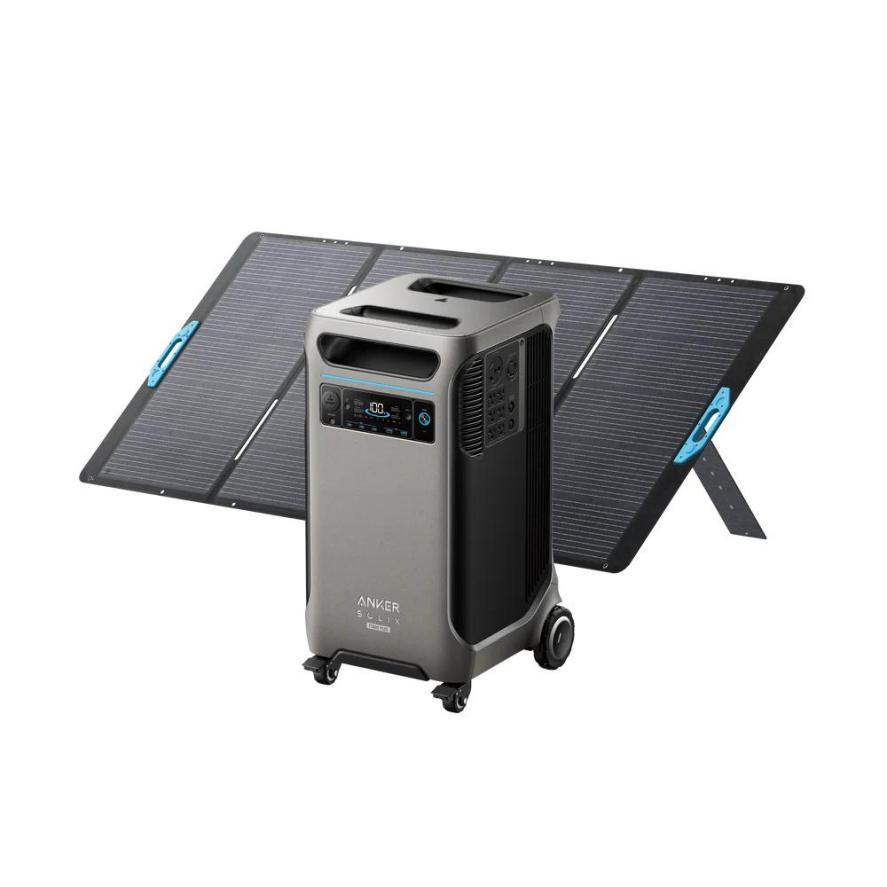
Solar generators are an increasingly popular choice for powering homes, campsites, and even emergency situations. Their ability to harness sunlight and convert it into usable energy makes them a sustainable and convenient alternative. But one common question remains: how long will a solar generator run in real-world conditions? Understanding the runtime helps users manage expectations and plan adequately for their power needs. Various factors influence this, including the appliance load, efficiency losses, and system design. In this article, we will delve into these aspects, offering insights gained from common scenarios and analyzing how modern solar generators, such as the Anker SOLIX series, provide solutions. Additionally, we will explore how weather conditions and solar charging affect runtime, offering practical advice to optimize your solar generator’s performance in everyday applications.
Table of Contents
What Determines Solar Generator Runtime in Everyday Use
Battery capacity, usable watt-hours, and power output explained
The runtime of a solar generator is primarily determined by its battery capacity, measured in watt-hours (Wh). This indicates the total amount of energy the battery can store and, consequently, provide. For example, a solar generator with a capacity of 1000Wh can theoretically supply 100 watts of power for 10 hours. However, the usable watt-hours are what truly matter in practical terms, as not all stored energy converts into actual power due to efficiency losses during the conversion process.Power output refers to the generator’s ability to deliver electricity when needed and is typically limited by the inverter’s capacity. This dictates the maximum wattage the generator can provide at any given time. For instance, a generator with a 500W inverter can power devices up to 500 watts simultaneously. It’s important for users to match their power needs to the generator’s specifications for optimal performance and runtime.
Appliance load, usage habits, and efficiency losses in real life
Real-world usage further impacts the solar generator’s runtime. Every appliance draws a specific amount of power, known as its load, measured in watts. A refrigerator might use 150 watts, while a laptop may consume 50 watts. When calculating runtime, users must consider the cumulative load of all devices running on the generator.Usage habits also play a crucial role. Frequent or prolonged use reduces runtime, requiring users to prioritize essential appliances during power shortages. Efficiency losses, often overlooked, occur as energy converts from DC (direct current) to AC (alternating current) within the generator, usually losing around 10-15% of power. Additionally, inefficiencies can arise from the battery’s inability to charge effectively under less-than-ideal conditions, impacting overall runtime.
Real-World Runtime Scenarios You Can Expect at Home and Outdoors
How long a solar generator runs common appliances like fridges, CPAPs, and laptops
For household appliances, solar generator runtime varies based on energy demands. A typical fridge, consuming around 150 watts, would operate for approximately 6 to 7 hours on a 1000Wh battery, factoring in efficiency losses. CPAP machines, crucial for sleep apnea patients, generally use about 40 watts. This energy requirement translates to an impressive 20-hour runtime under the same battery capacity, ensuring uninterrupted sleep.Laptops, vital for both work and leisure, draw approximately 50 watts, allowing for 16 to 18 hours of operation on a fully charged solar generator. Understanding these general usage metrics allows users to plan better, especially in situations where energy conservation is paramount. By prioritizing appliances based on necessity and duration of use, users can maximize the solar generator’s potential in everyday conditions.
Camping, RV, and emergency use cases with modern options like Anker SOLIX solar generators
Camping, RVing, and emergency scenarios highlight solar generators’ versatility. For campers, a solar generator can efficiently power essentials such as lanterns, portable stoves, and small fans. An Anker SOLIX generator with a capacity of 604Wh can keep an average campsite running for several days, depending on usage patterns and sunlight availability.In RV applications, appliances such as microwaves (around 1000 watts) and TVs (200 watts) need careful power management. For example, running a microwave for a short period daily while balancing other power needs ensures extended generator use. In emergencies, solar generators provide a reliable backup, powering crucial devices like phones and medical equipment. Anker’s solutions offer expandable systems, allowing users to adjust energy capacity based on evolving needs, maintaining flexibility even in uncertain conditions.
Solar Charging, Weather, and System Design That Change Runtime
How sunlight hours, panel size, and orientation affect daily runtime
Solar charging efficiency depends significantly on daylight hours and weather conditions. Longer sunlight exposure maximizes energy absorption and consequently extends the generator’s runtime. Panel size is another critical factor—larger panels capture more sunlight, leading to quicker battery charging. Positioning the panels to face the sun directly, and at an optimal angle, ensures maximum energy capture.Cloudy or rainy days reduce solar panel efficiency, directly impacting runtime by limiting electricity generation. In such scenarios, users might need to adjust power usage or have backup plans in place. Planning for variable weather changes, knowing different seasons influence sunlight availability, helps users optimize solar generator performance throughout the year.
Portable vs expandable systems and what to expect from modular setups such as Anker SOLIX collections
Solar generators come in various designs, ranging from portable units to expandable systems. Portable generators are ideal for on-the-go applications, offering convenient and lightweight power solutions. However, their limited capacity may restrict prolonged use, requiring users to judiciously prioritize activities and appliances.Expandable systems, like the Anker SOLIX collections, offer modular setups that allow capacity adjustments according to needs. Users can add extra battery modules or panels for increased power storage and generation. This flexibility is particularly beneficial for users with varying energy demands, such as RV owners or those preparing for emergencies. The ability to upgrade ensures the generator remains a viable option as power requirements evolve, providing a future-proof energy solution.
Conclusion
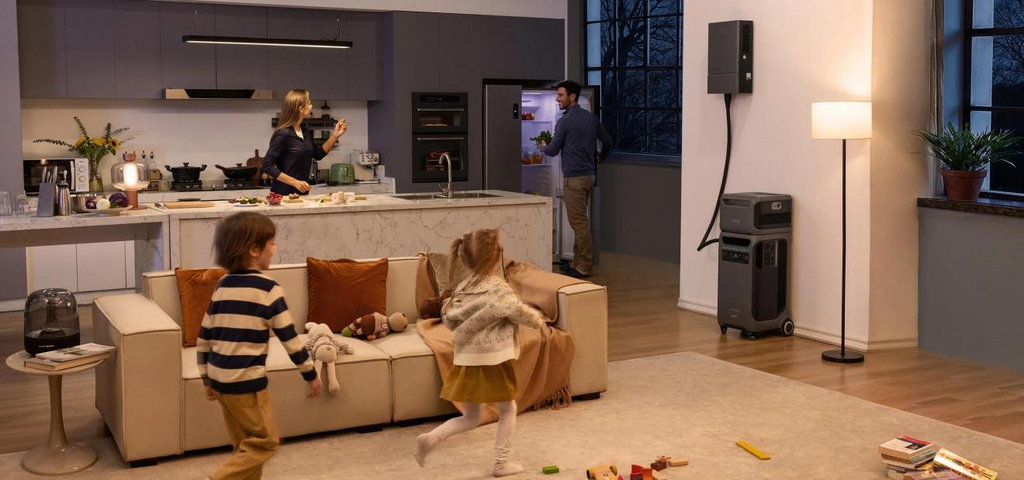
Understanding how long a solar generator can run in real-life situations is key to leveraging its benefits optimally. Battery capacity, appliance load, and usage habits form the cornerstone of determining runtime. Real-world scenarios like powering household appliances, supporting outdoor adventures, and providing emergency backup illustrate the versatility of modern solar generators.Charging efficiency, weather conditions, and system design further refine runtime outcomes. Innovations like Anker SOLIX’s modular expansions present users with adaptable solutions, meeting diverse energy needs effectively. By considering all these factors, users can plan power usage strategically, ensuring reliability and sustainability.solar powered generators are more than mere tools—they are catalysts for eco-friendly living, providing practicality and independence in energy consumption. With informed decisions, users can make the most of their solar generators, enjoying peace of mind and resilience in various situations.